
Ear Infections in Dogs: Symptoms, Causes, and Prevention | KindPrice PetCare
Description
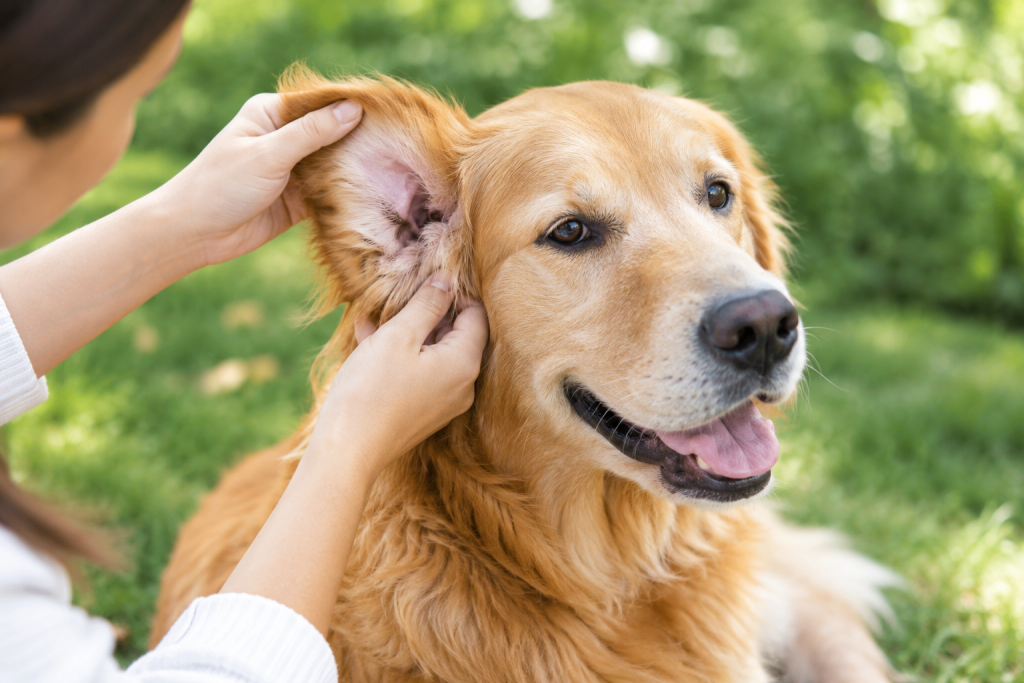
Ear infections in dogs are a common cause of itching, discomfort, redness, and ear discharge. Understanding the symptoms, common causes, treatment options, and prevention strategies can help pet owners recognize problems early and protect their dogs’ ear health. Learn how to identify the warning signs of ear infections in dogs and when to seek veterinary care.
What Every Dog Owner Needs to Know
Your dog’s ears play an important role in hearing, balance, and everyday comfort. However, inflammation and infection can develop in the ear canal, causing irritation and sometimes significant pain.
The most common condition affecting the external ear canal is called otitis externa. It can occur in dogs of any age or breed and may affect one or both ears.
Ear infections can involve bacteria, yeast, or other underlying problems. Some dogs experience an isolated infection, while others develop recurring symptoms that may be associated with allergies, ear anatomy, or chronic skin conditions.
At Kind Price Pet Care, we believe that understanding your pet’s health is an important part of responsible pet ownership. Recognizing changes in your dog’s ears and seeking veterinary advice when needed can help prevent discomfort and complications.
What Causes Ear Infections in Dogs?
Ear infections do not always have a single cause. Several factors can contribute to inflammation and infection in a dog’s ear canal.
1. Bacteria and Yeast
Bacteria and yeast can multiply when the ear canal becomes inflamed or its normal environment changes. An affected ear may develop an unpleasant odour, redness, discharge, or sensitivity.
The appropriate treatment depends on the organisms involved and the condition of the ear.
2. Allergies
Allergies are an important cause of recurring ear inflammation in dogs. Environmental allergens or food-related allergies may contribute to itching and inflammation that make the ears more susceptible to secondary infections.
Dogs with repeated ear problems may benefit from a veterinary assessment to investigate possible underlying allergies.
3. Moisture in the Ears
Swimming, bathing, or other activities that leave moisture in the ear canal may contribute to irritation and create conditions that encourage microbial growth in susceptible dogs.
Keeping the outer ears dry and following appropriate cleaning practices can help support ear health.
4. Ear Mites and Other Parasites
Ear mites can cause intense itching, irritation, and dark debris in the ears. They are more common in cats and young animals but may also affect dogs.
Because different conditions can produce similar symptoms, a veterinary examination is important before selecting treatment.
5. Foreign Objects and Ear Anatomy
Grass seeds and other foreign material can become trapped in the ear canal and cause sudden irritation or pain. Dogs with narrow ear canals, floppy ears, or excessive hair around the ears may also be more prone to certain ear problems.
Identifying the underlying cause is particularly important when symptoms repeatedly return.
Common Symptoms of Ear Infections in Dogs
Recognizing the early signs of an ear infection can help you seek treatment before the condition becomes more serious.
Watch for the following symptoms:
- Frequent head shaking or tilting
- Persistent scratching around the ears
- Redness or swelling inside the ear
- Unusual discharge or excess earwax
- An unpleasant or strong odour
- Pain or sensitivity when the ears are touched
- Rubbing the head against furniture or the floor
- Irritability, restlessness, or changes in behaviour
Not every dog will display all these signs. Some dogs may show only mild itching at first, while others may experience considerable discomfort.
When to seek urgent care: A pronounced head tilt, loss of balance, difficulty walking, unusual eye movements, or severe pain may indicate a more serious problem involving the middle or inner ear. Contact a veterinarian promptly if these symptoms occur.
How Are Ear Infections in Dogs Diagnosed?
Although the symptoms may appear straightforward, it is not always possible to determine the cause by looking at the outer ear.
A veterinarian may perform the following assessments:
- Ear examination: An otoscope may be used to inspect the ear canal and eardrum.
- Ear discharge testing: A sample may be examined under a microscope to identify yeast, bacteria, or parasites.
- Additional testing: Persistent or recurring infections may require further investigation, such as a culture or evaluation for underlying allergies.
- Assessment for deeper infection: Additional examinations or imaging may be recommended if the middle or inner ear is suspected to be involved.
An accurate diagnosis helps the veterinarian select appropriate treatment and address factors that could cause the problem to return.
Treatment Options for Ear Infections in Dogs
Treatment depends on the cause, severity, and location of the infection.
Your veterinarian may recommend one or more of the following:
Veterinary-Prescribed Ear Medication
Depending on the diagnosis, treatment may involve medication targeting bacteria, yeast, parasites, inflammation, or pain.
Not every ear infection requires the same medication. Using an inappropriate product may delay recovery or worsen irritation.
Appropriate Ear Cleaning
Cleaning may help remove wax and discharge so that prescribed medication can work effectively. However, the recommended cleaning method depends on the condition of the ear and whether the eardrum is intact.
Follow your veterinarian’s instructions regarding the product, frequency, and technique.
Treatment of Underlying Conditions
If allergies or another chronic condition contributes to recurring infections, managing that underlying problem is an important part of treatment.
Follow-Up Veterinary Visits
Some infections require repeat examinations to confirm that treatment has worked. Even if your dog appears more comfortable, the infection may not be completely resolved.
Complete the prescribed treatment and attend recommended follow-up appointments.
Important: Do not use leftover prescription ear drops or medication intended for another pet. Some products may be unsafe if the eardrum is damaged.
How to Help Prevent Ear Infections in Dogs
Although not all ear infections can be prevented, consistent and appropriate ear care may help reduce the risk of certain problems.
1. Check Your Dog’s Ears Regularly
Look for changes in colour, swelling, unusual discharge, moisture, or odour. Regular checks can help you notice problems before they become more severe.
2. Keep the Outer Ears Dry
After bathing or swimming, gently dry the visible outer ear with a soft towel. Avoid pushing anything into the ear canal.
3. Use Appropriate Ear-Cleaning Products
Choose an ear cleaner recommended by your veterinarian for your dog’s needs. Not every dog requires routine cleaning, and excessive cleaning may irritate the ear canal.
4. Avoid Cotton Swabs and Home Remedies
Never insert cotton swabs deeply into your dog’s ears. Avoid using vinegar, alcohol, hydrogen peroxide, essential oils, or other home remedies unless specifically directed by your veterinarian.
These substances may irritate inflamed tissue or be unsuitable if the eardrum is damaged.
5. Pay Attention to Recurring Symptoms
If your dog repeatedly develops itchy, red, or smelly ears, ask your veterinarian whether allergies, skin disease, or another underlying condition may be contributing.
6. Follow Veterinary Instructions Carefully
Use prescribed medications exactly as directed. Do not stop treatment early simply because the ears look better, and seek veterinary advice if symptoms worsen or fail to improve.
How Kind Price Pet Care Can Help
At Kind Price Pet Care, we are committed to helping pet owners access pet-care products and educational resources to support their pets’ well-being.
Explore our website to learn more about our services and available products:
- Visit our website: KindPrice Pet Care to explore our pet-care resources and products.
- Browse dog products: Prescription Products for Dogs to review available products.
- Learn about our company: About KindPrice Pet Care to learn more about our commitment to pet owners.
- Find answers to common questions: Visit our FAQs for information about our services and ordering process.
If your dog has symptoms of an ear infection, consult your veterinarian before choosing a treatment. Prescription medications can only be dispensed when the applicable prescription requirements have been met.
Final Thoughts
Ear infections in dogs can cause significant discomfort and may become more complicated if left untreated. Recognizing symptoms such as head shaking, persistent scratching, redness, discharge, and unpleasant odour can help you identify when your dog needs attention.
Appropriate ear care, early veterinary assessment, and treatment of underlying conditions can all contribute to healthier ears. For dogs with recurring symptoms, investigating the underlying cause is especially important.
At Kind Price Pet Care, we encourage pet owners to stay informed, work closely with their veterinary team, and choose products appropriate for their pets’ individual needs.
FAQ
1. What are the first signs of an ear infection in a dog?
Early signs may include head shaking, scratching, redness, an unusual odour, or increased ear discharge. Contact your veterinarian if these symptoms develop or persist.
2. Can a dog’s ear infection go away on its own?
A true ear infection often requires veterinary treatment. Waiting for it to resolve without assessment may allow the condition to worsen or the underlying cause to remain untreated.
3. How can I clean my dog’s ears safely?
Use an ear-cleaning product recommended by your veterinarian and follow the instructions provided. Avoid inserting cotton swabs into the ear canal, and do not clean a painful or inflamed ear without veterinary guidance.
4. Why does my dog keep getting ear infections?
Recurring ear infections may be associated with allergies, chronic skin conditions, ear anatomy, moisture, or other underlying problems. Your veterinarian can help investigate the cause and recommend a long-term management plan.
5. Are ear infections painful for dogs?
Yes. Ear infections can cause itching, inflammation, pressure, and significant pain. Some dogs become irritable or resist having their heads touched when their ears are uncomfortable.
6. When should I take my dog to the veterinarian?
Arrange a veterinary assessment if your dog has persistent scratching, frequent head shaking, redness, discharge, an unpleasant odour, or ear pain. Seek prompt care for severe pain, a pronounced head tilt, balance problems, or difficulty walking.
Sources and Further Reading
For additional information about ear health in dogs, consult these veterinary resources:
- Merck Veterinary Manual — Ear Infections and Otitis Externa in Dogs
- Merck Veterinary Manual — Middle and Inner Ear Infections in Dogs
- Merck Animal Health Canada — Pet Ear Infections
Disclaimer: This article is intended for general educational purposes only and does not replace professional veterinary advice, diagnosis, or treatment. Always consult a qualified veterinarian regarding your pet’s health or before starting, changing, or discontinuing any treatment. If your pet is experiencing an urgent medical problem, seek veterinary care promptly.