
Tick-Borne Diseases and Lyme Disease Prevention for Dogs and Cats in Ontario
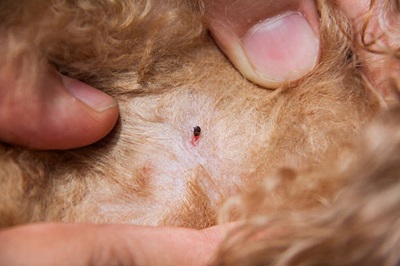
Description
Lyme disease in dogs is becoming increasingly common across Ontario. As tick populations continue to expand throughout Toronto and surrounding regions, pet owners need to understand the risks of tick-borne diseases and the importance of year-round tick prevention.
What Every Pet Owner Needs to Know?
As temperatures rise across Ontario, so does the risk of tick exposure for both pets and people. Ticks are more than just a nuisance. They can carry serious diseases, including Lyme disease, which can affect dogs, cats, and humans. The good news is that with proper prevention and early detection, the risk of tick-borne illness can be significantly reduced.
At Kind Price Pet Care, we believe prevention is one of the most important investments you can make in your pet’s long-term health. Understanding the risks associated with ticks can help you keep your furry family members safe year-round.
https://www.canada.ca/en/public-health/services/diseases/lyme-disease/prevention-lyme-disease.html
What Are Tick-Borne Diseases?
Tick-borne diseases are infections transmitted through the bite of an infected tick. In Canada, the most recognized tick-borne disease is Lyme disease, which is caused by the bacteria Borrelia burgdorferi. The bacteria are primarily spread through the bite of infected black-legged ticks, commonly known as deer ticks.
https://ipac-canada.org/resource-centre/infectious-disease-resources/lyme-disease/
While Lyme disease receives the most attention, ticks can also transmit other infections that may affect animals and humans. As tick populations continue to expand across Ontario and other parts of Canada, awareness and prevention have become increasingly important.
Where Are Ticks Commonly Found in Ontario?
- Toronto: Urban parks, ravines, and conservation areas throughout Toronto can provide suitable habitats for black-legged ticks. Dogs that frequent off-leash parks and nature trails may be at increased risk of exposure.
- GTA: The GTA has experienced a steady increase in tick activity in recent years. Ticks can be found in parks, green spaces, hiking trails, and residential areas bordering natural habitats.
- Durham Region: With its abundance of forests, trails, and conservation lands, Durham Region is considered an area where pet owners should routinely check their pets for ticks after outdoor activities.
- York Region: York Region’s numerous parks, wooded areas, and recreational trails can create ideal environments for ticks. Regular tick prevention is recommended for pets that spend time outdoors.
- Muskoka: Known for its forests, cottages, and outdoor recreation, Muskoka is a popular destination where ticks may be encountered, particularly during spring, summer, and fall.
- Cottage Country: Many cottage properties are surrounded by wooded areas, tall grass, and wildlife habitats that can support tick populations. Pets visiting cottages should be on year-round tick prevention programs.
- Hiking trails: Whether you’re hiking with your dog or exploring local nature trails, ticks are commonly found in brush, tall grass, and forested areas. Staying on designated trails and performing thorough tick checks afterward can help reduce the risk of tick-borne diseases.
Pro Tip: Even if your pet spends most of its time in urban areas, ticks can still be present in neighborhood parks and backyards. Daily tick checks and veterinarian-recommended preventive medications remain the most effective way to protect your pet from Lyme disease
Why Tick Activity Is Increasing in Ontario
Public health officials report that black-legged ticks are expanding into new regions of Canada, partly due to climate and environmental changes. This means pets can encounter ticks not only during hikes and camping trips but also in local parks, trails, backyards, and neighborhood green spaces.
Pets that spend time outdoors can bring ticks into your home, increasing exposure for the entire family. Because ticks are small and their bites are often painless, many infestations go unnoticed until after exposure has occurred.
Signs of Lyme Disease in Dogs
Many dogs exposed to infected ticks never show immediate symptoms. However, when illness develops, common signs may include:
- Lethargy or reduced energy
- Fever
- Loss of appetite
- Swollen lymph nodes
- Joint pain
- Lameness that may shift from one leg to another
- Swollen joints
- In severe cases, kidney complications
If you notice any of these symptoms, especially after finding a tick on your dog, seek veterinary care promptly. Early diagnosis and treatment generally result in better outcomes.
https://ontariospca.ca/blog/keeping-your-pets-safe-from-lyme-disease/
How Lyme Disease Is Transmitted
Contrary to popular belief, Lyme disease is not transmitted immediately after a tick attaches. In most cases, an infected tick must remain attached for at least 24 hours before the bacteria can be transmitted. The longer a tick remains attached, the greater the risk of infection.
This makes routine tick checks one of the simplest and most effective prevention strategies available to pet owners.
Effective Tick Prevention for Dogs and Cats
- Use Veterinarian-Recommended Tick Preventives
Modern tick prevention products can significantly reduce the risk of tick attachment and disease transmission. Your veterinarian can recommend the best oral, topical, or collar-based prevention option based on your pet’s age, lifestyle, and health history.
- Perform Daily Tick Checks
After outdoor activities, inspect your pet carefully for ticks. Pay special attention to:
- Ears
- Neck
- Around the collar
- Between the toes
- Under the legs
- Belly and groin area
- Around the tail
Daily checks help identify and remove ticks before disease transmission occurs.
- Maintain Your Yard
A well-maintained yard helps reduce tick habitat. Consider:
- Keeping grass short
- Removing leaf litter
- Trimming overgrown shrubs
- Creating barriers between wooded areas and recreational spaces
These simple landscaping practices can help reduce tick populations around your home.
- Stay on Designated Trails
When walking your dog, avoid areas with tall grass, dense brush, and heavy leaf cover whenever possible. Ticks often wait on vegetation and attach to passing animals and people.
What to Do If You Find a Tick on Your Pet
If you discover a tick:
- Use fine-tipped tweezers or a tick-removal tool.
- Grasp the tick close to the skin.
- Pull upward steadily without twisting.
- Clean the area thoroughly afterward.
- Monitor your pet for symptoms and contact your veterinarian if concerns arise.
Prompt removal reduces the likelihood of disease transmission and can help protect your pet’s health.
Why Regular Veterinary Care Matters
Preventive veterinary care plays a crucial role in protecting your pet from tick-borne illnesses. Regular wellness exams allow veterinarians to assess your pet’s risk, recommend appropriate preventives, and identify potential health concerns before they become serious problems.
At Kind Price Pet Care, we work closely with pet owners to develop personalized prevention plans that fit their pet’s lifestyle and needs. Whether your dog enjoys daily trail walks or your cat spends time outdoors, proactive protection is essential.
Related Services
To keep your pet healthy year-round, explore our services:
- Wellness and preventive care
- Annual health examinations
- Parasite prevention programs
- Diagnostic testing
- Pet health consultations
Visit:
https://kindpricepetcare.ca/my-account/my-pets/
Final Thoughts on Lyme Disease Prevention
Tick-borne diseases are becoming increasingly common throughout Ontario, but effective prevention can dramatically reduce your pet’s risk. Consistent use of veterinarian-approved preventives, daily tick checks, yard maintenance, and regular veterinary visits provide the best defense against Lyme disease.
If you have questions about tick prevention or would like to discuss the most effective protection plan for your pet, contact Kind Price Pet Care today. Together, we can help keep your pet healthy, active, and protected throughout every season.
https://kindpricepetcare.ca/contact-us/
FAQ
Can dogs get Lyme disease in Ontario?
Yes. Lyme disease is present in Ontario, and black-legged ticks capable of carrying the disease are found in many regions of the province.
What are the first signs of Lyme disease in dogs?
Common signs include fever, lethargy, lameness, swollen joints, and decreased appetite.
How can I prevent ticks on my dog?
The most effective approach includes veterinarian-recommended tick prevention products, routine tick checks, and avoiding heavily tick-populated areas when possible.
How often should my pet be checked for ticks?
Pets should be checked after every outdoor activity, especially during spring, summer, and fall when tick activity is highest.