
Is Your Pet Overweight? How to Tell and What to Do | KindPrice PetCare
Description
Pet obesity is more common than many pet owners realize. Extra weight isn’t simply a cosmetic issue—it can affect your pet’s mobility, comfort, quality of life, and overall health.
The good news is that recognizing excess weight early can make a big difference. By learning how to check your pet’s body condition, measuring food portions, managing treats, encouraging appropriate activity, and working with your veterinarian, you can help your dog or cat maintain a healthier weight.
At KindPrice PetCare, we believe that prevention and informed pet care are important parts of helping pets live healthier, happier lives.
What Every Pet Owner Needs to Know
How Can You Tell If Your Pet Is Overweight?
Your pet’s weight on a scale is useful, but it doesn’t tell the whole story. Veterinarians commonly use a Body Condition Score (BCS) to assess whether a dog or cat is underweight, at an ideal weight, or carrying excess body fat.
The WSAVA uses a 9-point body condition scoring system. In general, scores of 4–5 out of 9 are considered ideal, while scores above 5 indicate increasing levels of excess body condition. (WSAVA)
Some signs that your pet may be overweight include:
- You have difficulty feeling their ribs.
- Their waist is difficult to see from above.
- Their abdomen does not appear tucked up when viewed from the side.
- Their body looks noticeably rounder than it did previously.
- They are less interested in playing or exercising.
- They become tired more easily during activity.
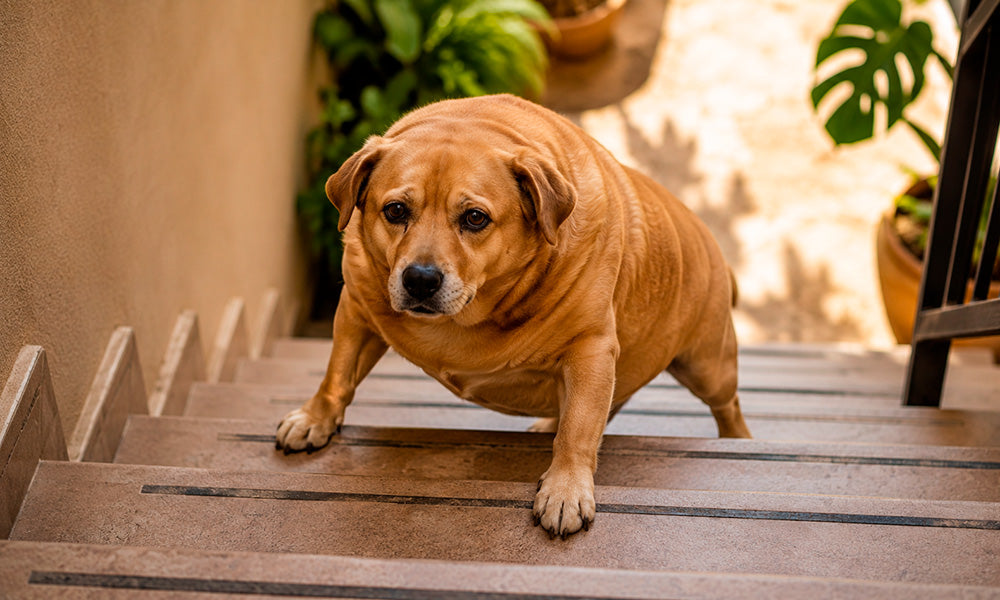
- They have difficulty jumping, climbing stairs, or moving comfortably.
- They have gained weight gradually without you noticing.
Keep in mind that thick fur can make visual assessment difficult. If you’re unsure about your pet’s body condition, your veterinarian can perform a more accurate assessment.
The Simple At-Home Body Condition Check
You can perform a basic check between veterinary visits.
1. Feel the ribs
Place your hands gently over your pet’s rib cage.
You should be able to feel the ribs without pressing deeply. If you have to push through a noticeable layer of fat to find them, your pet may be carrying excess weight.
2. Look from above
Stand above your dog or cat and look down toward their back.
A healthy body condition generally has a visible waist behind the ribs. A body that appears equally wide from the chest through the abdomen may indicate excess body fat.
3. Look from the side
Look at your pet from the side.
The abdomen should generally rise toward the hind legs rather than forming a straight or sagging line.
These checks are useful for monitoring changes, but they should not replace a professional veterinary assessment. Body condition scoring should consider both body fat and muscle condition. (AAHA)
Why Does Pet Obesity Matter?
Carrying excess weight can place additional stress on your pet’s body.
Overweight pets may have a greater risk of problems involving:
- Joints and mobility
- Osteoarthritis
- Diabetes
- Breathing and respiratory function
- Reduced activity
- Skin and grooming difficulties
- Overall quality of life
AAHA notes that excess weight can be associated with several health problems and that maintaining an appropriate body condition is an important part of preventive pet care. (AAHA)
For this reason, maintaining a healthy weight isn’t simply about making your pet look slimmer. It is about supporting their long-term health and mobility.
What Causes Dogs and Cats to Gain Weight?
Pet weight gain can happen for many reasons.
1. Too Many Calories
One of the most common contributors is simply consuming more calories than the pet uses.
This can happen through:
- Large food portions
- Frequent treats
- Table scraps
- High-calorie snacks
- Multiple family members feeding the pet
- Free-feeding throughout the day
Even small extras can add up over time.
2. Too Little Exercise
A sedentary lifestyle can contribute to weight gain, particularly in indoor cats, older pets, and dogs that don’t receive enough daily activity.
3. Age
A pet’s energy requirements can change throughout its life. Older pets may become less active and may therefore need adjustments to their feeding routine. (AAHA)
4. Breed and Individual Differences
Different breeds, sizes, ages, and activity levels can have very different nutritional requirements.
Two dogs of the same weight may not necessarily need the same number of calories.
5. Medical Conditions
Some medical conditions and medications can contribute to weight gain or make weight loss more difficult.
If your pet is gaining weight unexpectedly or isn’t losing weight despite a carefully managed plan, speak with your veterinarian. Medical conditions such as hypothyroidism, Cushing’s disease, osteoarthritis, and some medications may need to be considered. (AAHA)
7 Ways to Help Your Overweight Pet
1. Measure Their Food
Don’t rely solely on your pet’s bowl to determine how much they are eating.
Measure the daily portion carefully and follow your veterinarian’s recommendations. Feeding instructions on commercial pet food are useful starting points, but individual pets may require adjustments based on their body condition, activity, age, and health. (AAHA)
2. Keep Treats Under Control
Treats are easy to overlook when calculating your pet’s daily calorie intake.
WSAVA recommends that treats make up no more than approximately 10% of a pet’s daily calorie allowance. (WSAVA)
Consider replacing some food-based rewards with:
- Praise
- Petting
- Play
- Grooming
- Interactive toys
Your pet doesn’t always need food to know they’re loved.
3. Increase Activity Gradually
Regular activity can help support healthy weight management.
For dogs, this may include:
- Daily walks
- Play sessions
- Fetch
- Interactive games
- Swimming where appropriate
For cats, consider:
- Interactive toys
- Wand toys
- Short play sessions
- Food puzzles
- Climbing and enrichment opportunities
If your pet is significantly overweight, older, or has mobility problems, speak with your veterinarian before substantially increasing exercise.
4. Don’t Suddenly Cut Food
Weight loss should be controlled rather than extreme.
Simply giving your pet dramatically less food without considering their nutritional requirements can create nutritional problems.
Your veterinarian can help determine an appropriate calorie target and feeding plan based on your pet’s ideal weight and individual needs. AAHA recommends individualized nutrition plans rather than a one-size-fits-all approach. (AAHA)
5. Track Progress
Regular monitoring helps you determine whether the plan is working.
Keep track of:
- Body weight
- Body condition
- Daily food portions
- Treats
- Activity
- Changes in appetite
- Changes in mobility
Don’t focus only on the number on the scale. Changes in body condition and muscle mass are also important.
6. Get the Whole Family Involved
Everyone in the household should understand the feeding plan.
If one person carefully measures meals while another regularly gives extra treats, your pet may continue gaining weight.
Create simple household rules about:
- Meal portions
- Treats
- Table food
- Feeding times
- Exercise
Consistency can make weight management much easier.
7. Talk to Your Veterinarian
If you think your dog or cat is overweight, your veterinarian can help determine their ideal body condition and develop a safe weight-management plan.
Veterinary nutritional assessments can include body weight, body condition score, muscle condition, diet history, activity level, and other health factors. (AAHA)
How Fast Should a Pet Lose Weight?
Healthy weight loss should generally be gradual and monitored.
AAHA notes that safe weight-loss targets depend on the individual animal. Its consumer guidance gives approximate ranges of 1–3% of body weight per month for dogs and 0.5–2% per month for cats, while emphasizing veterinary guidance and monitoring. (AAHA)
The goal isn’t to make your pet lose weight as quickly as possible.
The goal is to achieve a healthier body condition while maintaining adequate nutrition, muscle mass, energy, and quality of life.
What If My Pet Isn’t Losing Weight?
If you’ve carefully measured food, limited treats, and increased appropriate activity but your pet still isn’t losing weight, don’t simply keep cutting their food.
Speak with your veterinarian.
Your pet may need a more detailed nutritional assessment, and underlying medical conditions, medications, activity levels, or feeding practices may need to be reviewed. (AAHA)
Healthy Weight Is Part of Preventive Pet Care
Keeping your pet at a healthy weight is one of the simplest ways to support long-term wellness.
Regularly check their body condition, measure meals, keep treats under control, provide appropriate activity, and monitor changes over time.
And remember: a healthy weight is not necessarily a specific number on the scale. What matters is achieving an appropriate body condition for your individual pet.
If you’re unsure whether your dog or cat is overweight, ask your veterinarian to assess their Body Condition Score and help you establish an appropriate weight-management plan.
Final Thoughts
Pet obesity can develop gradually, and many owners don’t realize their pet has gained too much weight until the change becomes obvious.
The good news is that small, consistent changes can make a meaningful difference.
Measure your pet’s food, be mindful of treats, encourage regular activity, monitor their body condition, and work with your veterinarian when weight loss is needed.
At KindPrice PetCare, our goal is to make pet care more convenient and accessible for Canadian pet owners. From everyday pet-care essentials to prescription medications, we make it easier to find the products you need and have them delivered to your door.
Kind to your pet. Kind to you.