
Pet Dental Disease and Oral Health Care for Dogs and Cats in Ontario | Kind Price Pet Care
Description
Pet dental disease is one of the most common yet overlooked health conditions affecting dogs and cats. By the age of three, many pets have already developed some stage of periodontal disease, often without obvious signs of discomfort. Plaque and tartar buildup can lead to inflamed gums, bad breath, tooth loss, and painful infections that may impact on your pet’s overall health and quality of life. At Kind Price Pet Care, we are committed to helping Ontario pet owners understand the importance of preventive oral care and providing access to trusted dental health products for dogs and cats. Whether you’re looking for dental chews, water additives, toothbrushes, toothpaste, or veterinarian-recommended oral care solutions, proper dental care can help keep your pet’s teeth clean, their breath fresh, and their smiles healthy for years to come.
At Kind Price Pet Care, we help Ontario pet owners protect their pets’ oral health through education and access to trusted dental care products.
What Every Pet Owner Needs to Know?
Healthy teeth and gums do far more than keep your pet smiling. Poor oral health can lead to pain, tooth loss, bad breath, difficulty eating, and may contribute to other health concerns.
At Kind Price Pet Care, we encourage preventive dental care to help pets live healthier, happier lives.
https://www.canada.ca/en/public-health/services/oral-health.html
What Is Periodontal Disease?
Periodontal disease is a progressive infection of the tissues surrounding the teeth. Plaque and tartar build-up can lead to gingivitis, gum recession, infection, and tooth loss if left untreated.
Why Dental Disease Is So Common?
Many pets do not receive regular tooth brushing, and dental problems often develop gradually without obvious symptoms. Small-breed dogs and older pets are particularly at risk.
What Are the Signs of Dental Disease in Pets?
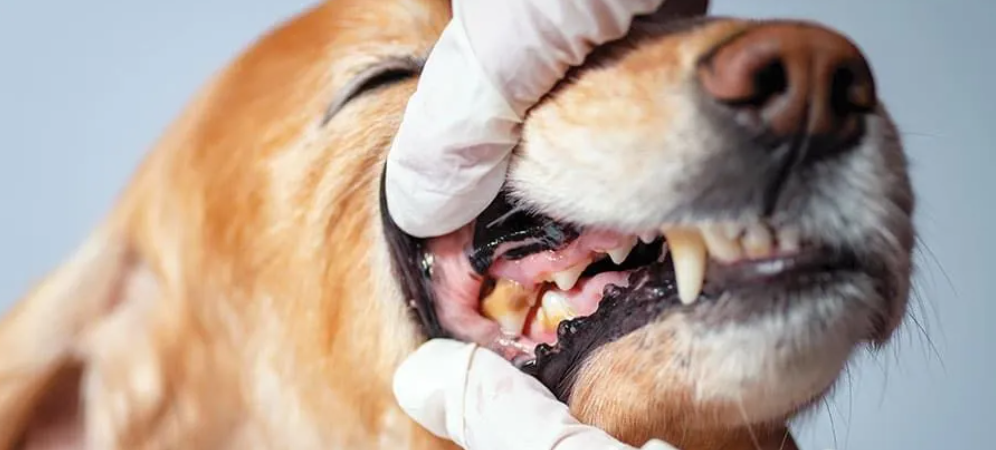
Dental disease is one of the most common health problems affecting dogs and cats, with most pets showing some degree of periodontal disease by the age of three. Unfortunately, pets are very good at hiding oral pain, so the signs can be subtle until the condition becomes advanced.
Common signs to watch for include:
- Persistent, bad breath (halitosis)
- Yellow or brown tartar buildup on teeth
- Red, swollen, or bleeding gums
- Excessive drooling
- Difficulty chewing or dropping food
- Eating on one side of the mouth
- Reduced appetite or reluctance to eat hard food
- Loose, broken, or missing teeth
- Facial swelling
- Pawing at the mouth or showing signs of discomfort
- Behavior changes such as irritability or decreased activity
As periodontal disease progresses, bacteria and inflammation can damage the tissues supporting the teeth, potentially leading to tooth loss and even affecting vital organs such as the heart, liver, and kidneys. Early detection and regular dental care are essential to maintaining your pet’s overall
American Animal Hospital Association (AAHA):
American Veterinary Medical Association (AVMA) Pet Dental Care:
https://www.avma.org/resources-tools/pet-owners/petcare/pet-dental-care
Bellows J. et al. 2019 AAHA Dental Care Guidelines for Dogs and Cats, Journal of the American Animal Hospital Association:
https://jaaha.kglmeridian.com/view/journals/aaha/55/2/article-p49.xml
Niemiec B. et al. World Small Animal Veterinary Association Global Dental Guidelines:
Health Risks Beyond the Mouth
Untreated dental disease can affect overall well-being. Chronic oral infections may contribute to inflammation throughout the body and significantly reduce quality of life.
How Can You Effectively Care for Your Dog’s or Cat’s Dental Health?
- Brush Your Pet’s Teeth Regularly
Daily brushing is the most effective way to remove plaque and help prevent periodontal disease. - Use Veterinary-Recommended Dental Products
Dental chews, toothpaste, water additives, dental wipes, and oral care diets can help support cleaner teeth and healthier gums. - Schedule Professional Dental Checkups and Cleanings
Regular veterinary dental examinations allow early detection and treatment of oral health issues before they become serious. - Monitor Your Pet for Signs of Dental Problems
Watch for bad breath, red or bleeding gums, excessive drooling, difficulty eating, loose teeth, or changes in behavior that may indicate oral pain. - Shop Quality Dental Care Products
Explore dog dental care products and cat dental care products at Kind Price Pet Care to help maintain your pet’s oral health between veterinary visits.
https://kindpricepetcare.ca/shop
Why Regular Veterinary Care Matters
Routine wellness visits help identify dental issues before they become serious and expensive to treat.
Related Services
- Wellness and preventive care
- Annual health examinations
- Dental health consultations
- Diagnostic testing
- Pet health consultations
Visit: https://kindpricepetcare.ca/
and https://kindpricepetcare.ca/my-account/my-pets/
Final Thoughts on Pet Dental Health
Consistent dental care is one of the most valuable investments you can make in your pet’s health. Prevention helps avoid pain, improves quality of life, and may reduce future treatment costs.
Contact us: https://kindpricepetcare.ca/contact-us/
FAQ
How often should I brush my pet’s teeth?
Daily brushing is the gold standard for preventing plaque and tartar buildup. If daily brushing isn’t possible, aim for at least 3 to 4 times per week to help maintain your pet’s oral health.
Does bad breath mean my pet has dental disease?
Not always, but persistent, bad breath is often one of the earliest signs of dental disease. If your dog or cat consistently has unpleasant breath, it’s a good idea to schedule a veterinary dental examination.
When should my pet have a professional dental examination?
Your pet’s teeth and gums should be assessed during annual wellness visits. Some pets, particularly small dog breeds and senior pets, may benefit from more frequent dental evaluations and cleanings.
Can cats develop dental disease too?
Yes. Cats are highly susceptible to periodontal disease, gingivitis, tooth resorption, and other dental conditions. Regular dental care is just as important for cats as it is for dogs.
What are the warning signs that my pet needs dental care?
Common signs include bad breath, red or bleeding gums, excessive drooling, difficulty chewing, dropping food, reduced appetite, loose teeth, and visible tartar buildup.
Can dental disease affect my pet’s overall health?
Yes. Untreated dental disease can lead to chronic pain, tooth loss, and bacterial infections that may affect important organs such as the heart, liver, and kidneys.
Where can I find dental care products for my pet?
Kind Price Pet Care offers a range of products to support your pet’s oral health, including dog dental care products and cat dental care products, along with dental chews, toothpaste, water additives, and other veterinarian-recommended solutions.
https://kindpricepetcare.ca/shop
Disclaimer: This article is intended for educational purposes only and does not replace professional veterinary advice, diagnosis, or treatment. Always consult a qualified veterinarian about your dog’s health